

What Does “In Stock” Actually Mean for Your Ammo Order?
In-Stock Ammunition Ready to Ship Right Now—Grab Your Caliber Before It’s Gone
In stock ammunition represents the immediate, ready-to-buy cartridges that are physically present in a retailer’s inventory, ensuring zero wait time between purchase and use. Each round is factory-sealed with primer, propellant, and projectile, functioning reliably when chambered and fired in the correct caliber firearm. This availability allows shooters to test loads, train, or hunt on demand, while also offering the practical benefit of fixed pricing without future backorder uncertainty. For any shooter, selecting in stock ammunition guarantees that the specific grain weight and bullet type you need are in your hands today, not weeks from now.
What Does “In Stock” Actually Mean for Your Ammo Order?
When an ammunition retailer lists a product as “in stock,” it means the physical cartridges are currently sitting in their warehouse, ready to be picked, packed, and shipped—not merely on backorder or awaiting a supplier delivery. For your order, this translates to a predictable fulfillment timeline, usually within one to three business days, unlike out-of-stock items which can drag on for weeks or get canceled outright. However, “in stock” does not guarantee same-day dispatch, nor does it mean your specific quantity is reserved until you complete checkout; high-demand calibers can sell out mid-cart. It also doesn’t account for potential inventory miscounts, so a confirmed order is your only real protection. Always verify the stock count updates after adding to your cart, and note that shipping speed is separate from stock status—even in-stock ammo faces carrier delays. Finally, hazmat fees and weight surcharges apply regardless of availability, so factor those into your final cost before assuming “in stock” means the cheapest or fastest route.
Real-Time Inventory vs. Backorder: Knowing the Difference
When an ammo retailer says “in stock,” it means the physical rounds are on their shelf, ready to ship today—this is real-time inventory, often synced with live warehouse counts. A backorder, however, is a placeholder for ammunition that hasn’t arrived yet; you pay or reserve now, but fulfillment depends on an unknown delivery date. The practical difference is speed and certainty: real-time stock lets you track, order, and receive immediately, while a backorder leaves you waiting with zero guarantee of timeline. Always check if the site displays a live counter or a “available to order” note—that distinction separates a 2-day ship from a 2-month wait. For urgent needs, filter only by real-time availability to avoid stalled purchases.
Why “In Stock” Status Can Change by the Minute
With ammunition, “in stock” is a live snapshot, not a promise. Because checkout carts hold items for a limited time, another shopper’s abandoned order can release rounds back into inventory just as you’re refreshing the page. Likewise, warehouse staff continually reconcile physical shelf counts against real-time sales, so a pallet found behind a rack or a returned box triggers a sudden status flip. Inventory feeds update irregularly across distributors, meaning one retailer’s “in stock” may lag their actual supply by minutes. *A high-demand caliber can sell through in the exact seconds you pause to compare shipping costs.* Even payment verification delays can reserve ammo, then free it if the card fails. This constant churn makes the status inherently fluid.
Why “in stock” changes by the minute: live carts, warehouse recounts, distributor lag, and payment Ammo Cans & Storage for Sale holds all shift availability in real time.
How to Confirm Availability Before You Checkout
Before you get excited about that “in stock” tag, do a quick sanity check on the actual product page. Look for a live inventory counter or a “only X left” note, which updates in real time, rather than trusting a cached search result. Click the specific grain weight and cartridge variant you want, because the base SKU might be in stock while your preferred load is not. Then, add it to your cart and start checkout—the final confirmation .17 WSM Ammo for Sale is only at the payment step, when the system locks your ammo. If it errors out, it’s gone, so keep a backup tab open.
- Refresh the product page right before checkout to catch stock changes.
- Verify the exact SKU (grain, bullet type) shows a stock message.
- Proceed to the payment screen—availability is only guaranteed once you see the confirmation.
Choosing the Right Loads That Are Ready to Ship Today
When you’re staring at an online shelf of in-stock ammunition, the hunt for the right load becomes a tactile memory game. You recall that last range trip—how your carbine cycled the 55-grain soft points flawlessly, or how the 147-grain subsonics thumped through your suppressor with that satisfying *thwack*. Choosing today means skipping the familiar catalog and reading the grain weights like a love letter to your rifle’s twist rate. Ready-to-ship inventory forces you to match your immediate need—not your wishlist—to what actually sits in the warehouse. I once grabbed the last box of 124-grain +P because my carry gun hated the 115s, and that decision mattered more than any ballistic chart.
The best load in stock is the one you’ve already tested—so order what your gun already knows, not what your ego wants.
Check the lot numbers, trust your chronograph notes, and click buy before that pallet vanishes.
Matching Bullet Grain Weight to Your Firearm’s Twist Rate
When selecting from in-stock ammunition, matching bullet grain weight to your firearm’s twist rate ensures the projectile’s stability in flight. A faster twist (e.g., 1:7) stabilizes heavier grains, while slower twists (e.g., .17 HMR Ammo for Sale 1:12) favor lighter bullets. If your rifle’s twist rate is too slow for a heavy grain, you’ll see keyholing and poor accuracy. Conversely, an overly fast twist can overspin light bullets, degrading precision. Check your barrel’s twist rate (often stamped on the barrel or in the manual) before ordering ready-to-ship loads.
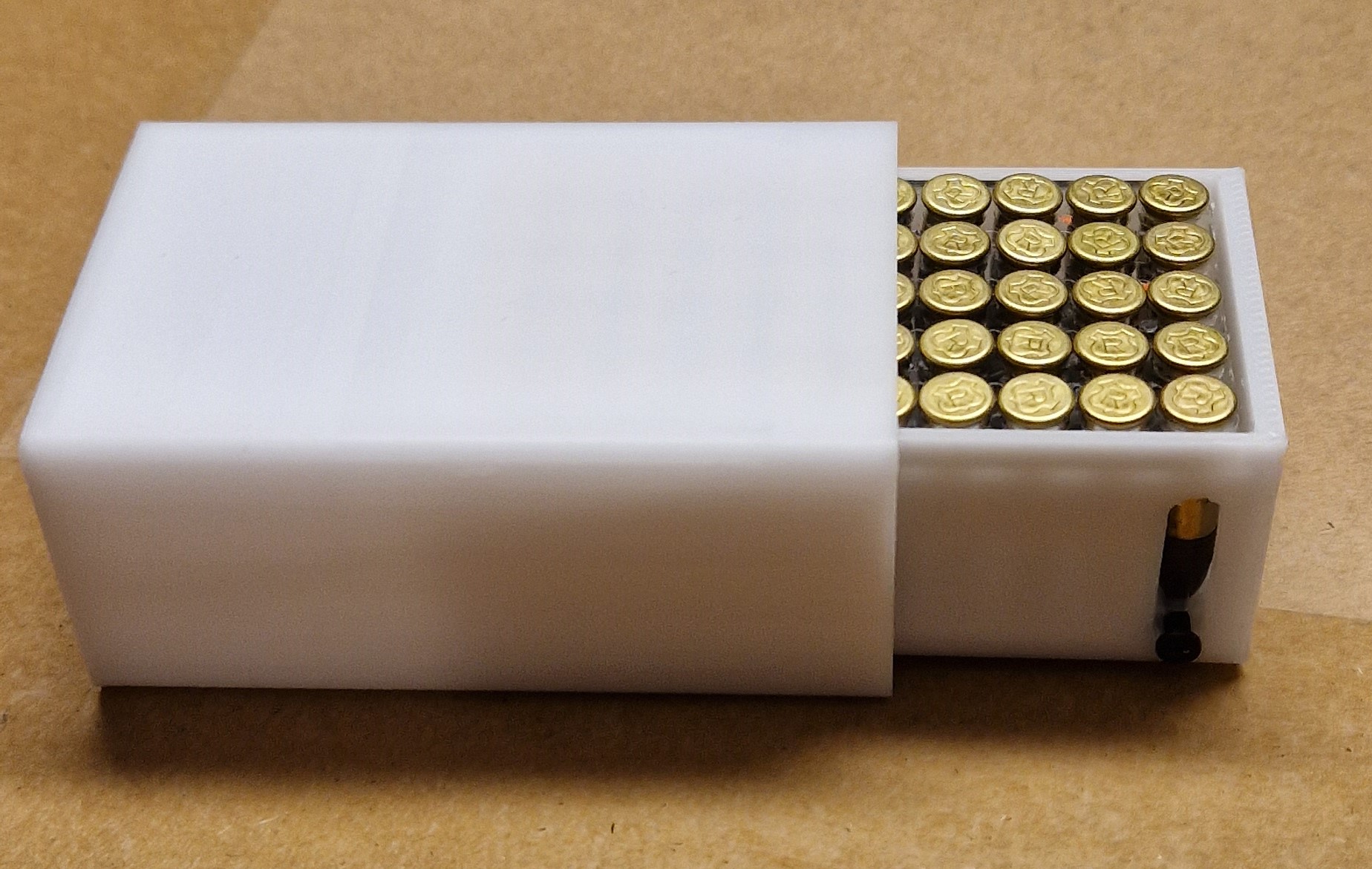
- Verify twist rate (e.g., 1:8, 1:9) against manufacturer’s recommended grain range.
- Use a stability calculator to confirm a specific grain’s suitability for your barrel length and velocity.
- Test 2–3 grain weights within your twist’s range to find the tightest group.
- For long-range shooting, prioritize heavier grains only if your twist can handle them.
Full Metal Jacket vs. Hollow Point: What’s On the Shelf
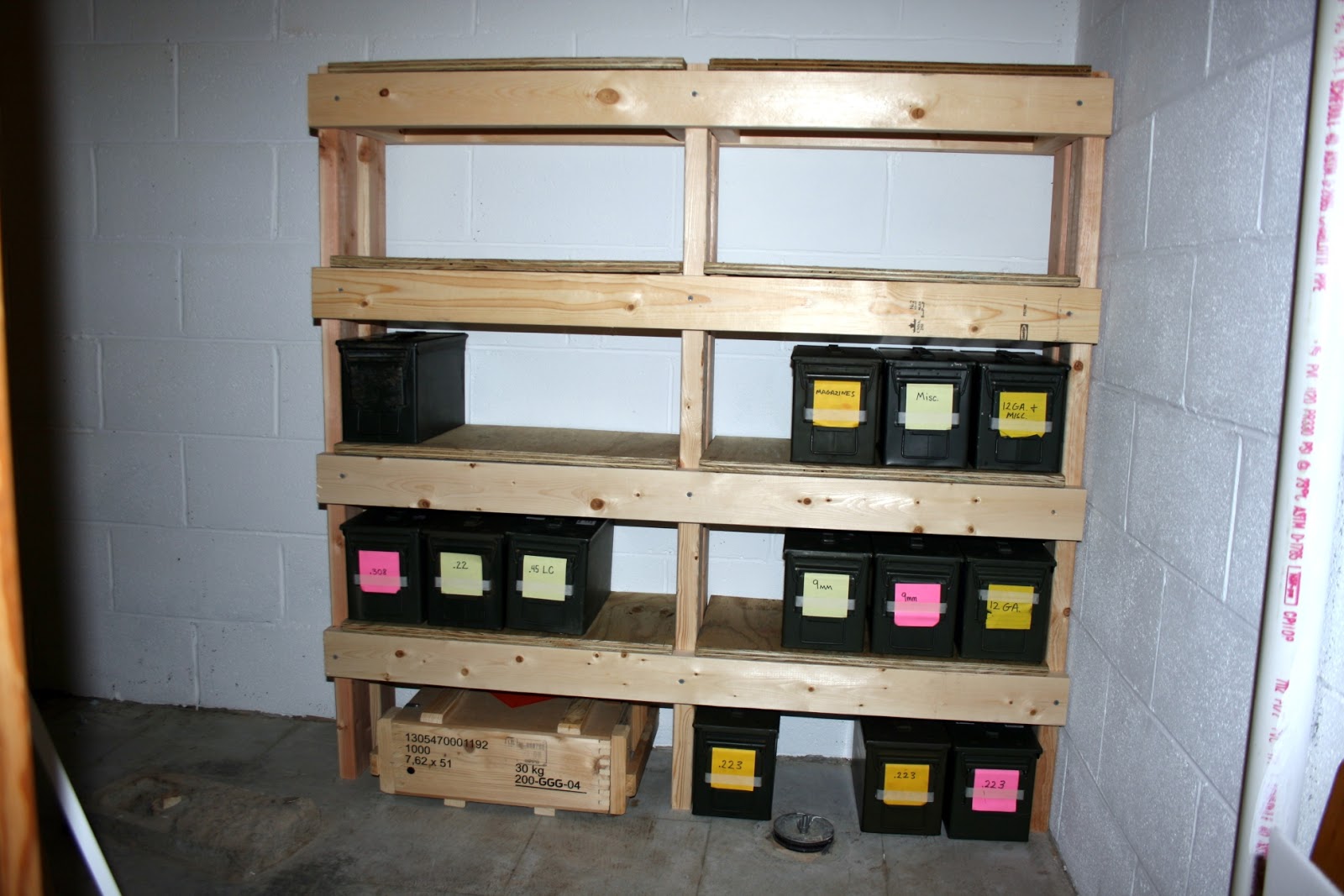
When you scan the shelf for in stock ammunition, the first fork in the road is between Full Metal Jacket (FMJ) and Hollow Point (HP) rounds. FMJ loads, with their fully encased lead core, feed reliably in semi-autos and are priced for volume practice—ideal when you need to stock up without burning a hole in your wallet. Hollow Points, conversely, expand on impact, making them the only choice for defensive carry where stopping power outweighs cost. On the shelf today, you will typically find FMJ in 9mm, .223, and .45 ACP for range drills, while HP offerings dominate in 9mm and .40 S&W for personal protection. To decide what goes in your cart:
- Check the box label for “ball” (FMJ) versus “JHP” (jacketed hollow point) to avoid confusion.
- Verify the bullet profile—FMJ has a smooth, rounded nose; HP shows a visible cavity.
- Match the load to your purpose: FMJ for training, HP for duty or home defense.
That distinction keeps your order practical, not regrettable.
Primer Types and Casing Materials in Available Lots
When assessing in-stock ammunition, primer type and casing material directly dictate performance and reloading viability. Lots available today typically feature either boxer-primed brass, which offers uniform ignition and is ideal for handloaders, or berdan-primed steel, which is cost-effective but complicates reloading due to its anvil design. Casing materials in current inventory range from new-manufacture brass to once-fired nickel-plated cases, the latter providing corrosion resistance but reduced case life under high pressure. Boxer-primed brass casings remain the most practical choice for shooters prioritizing consistency and future component reuse, while steel-cased, berdan-primed options suit high-volume plinking where case salvage is irrelevant. The trade-off between primer availability and casing longevity is often overlooked when comparing ready-to-ship lots.
- Check primer type (boxer vs. berdan) before purchase 7.62x54R Ammo for Sale to confirm reloading feasibility.
- Verify casing material—brass, steel, or nickel—against your firearm’s extraction reliability.
- Inspect lot-specific headstamps when multiple casing batches are listed in stock.
Getting the Best Performance From Your Ready-to-Use Supply
To get the best performance from your in-stock ammunition, start by checking the lot number on the box and keeping rounds from the same batch together—mixed lots can shift point of impact. Store your ready-to-use supply in a cool, dry place, and rotate your oldest stock to the front so it gets used first, avoiding age-related primer issues. Before a range session, run a few fouling shots through a clean barrel if your ammo is new to that firearm, letting the gun settle into its natural rhythm. Chronograph a small sample from each box to confirm velocity matches what your optic is zeroed for, since even factory loads vary slightly. Finally, resist the urge to over-lubricate your action, as excess oil can attract powder residue and cause sluggish cycling with your chosen in-stock rounds.
Proper Storage Conditions to Extend Shelf Life
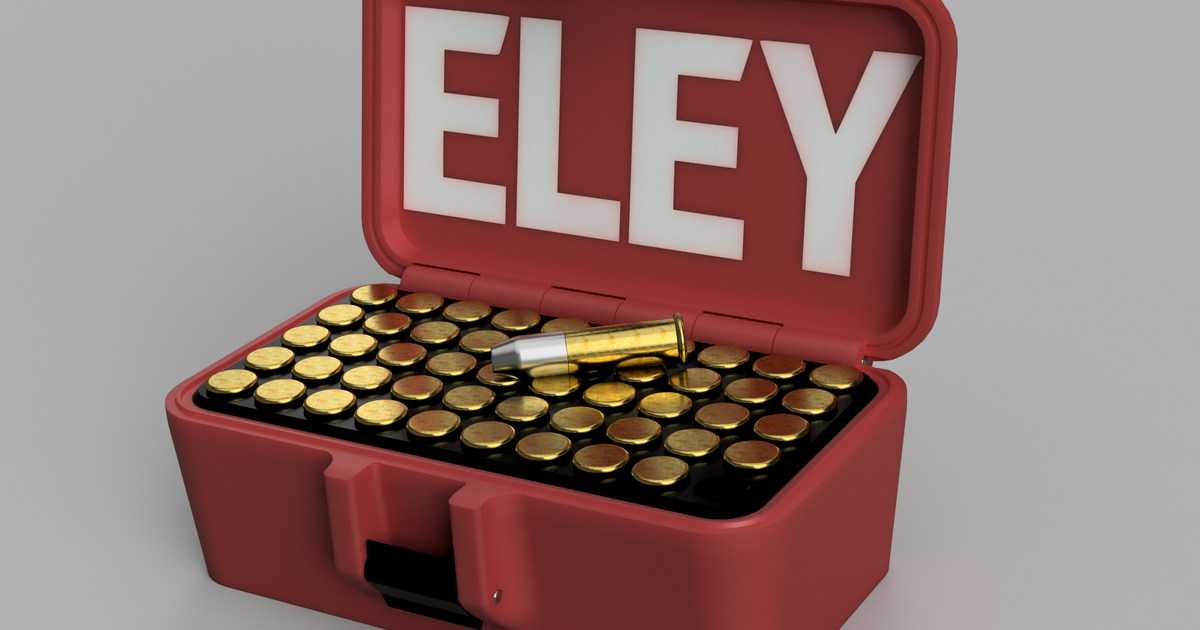
To maximize the longevity of your in-stock ammunition, proper ammunition storage conditions center on a stable, cool, and dry environment. Maintain a consistent temperature between 55°F and 75°F, avoiding attics or garages where thermal cycling causes condensation. Seal rounds in their original factory boxes, then place them inside airtight, military-spec ammunition cans with a desiccant pack to absorb residual humidity. Elevate containers off concrete floors on wooden pallets or shelving to prevent moisture wicking. Always handle cartridges with dry, clean hands or cotton gloves, as skin oils and salts corrode brass and primers over time, directly compromising case integrity and ignition reliability.
Rotating Your Stockpile: Using Oldest Boxes First
Treat your in stock ammunition as a consumable system, not a static reserve. Rotating your stockpile by using oldest boxes first prevents the degradation of propellants and primers, which lose potency over years. Place newly acquired cartridges behind existing inventory on your shelf, ensuring the front row always holds the earliest production dates. Before a range session, pull the front boxes only, cycling them into your magazines. This habit maintains uniform ballistics, since older lots may experience slight pressure shifts, and guarantees that your entire supply remains shootable rather than becoming inert relics. Mark each box with a purchase date using a permanent marker to verify the rotation sequence, and prioritize lot consistency for reliable accuracy.
Break-In Rounds: Testing Available Ammo for Reliability
Before trusting your stockpile, dedicate a few break-in rounds to verify each lot performs flawlessly in your firearm. Testing available ammo for reliability means firing a controlled sample from every new batch you buy, since even premium in-stock ammunition can vary slightly between production runs. Cycle a minimum of ten rounds through your magazine, checking for consistent ejection, feeding, and primer strikes. Occasional malfunctions during this trial phase are precisely why this test exists—they save you from a catastrophic failure during a critical moment. Chronograph a few rounds to confirm velocity matches factory specs, and inspect the fired brass for pressure signs. If any brand or lot fails this drill, set it aside for practice only, never for defensive carry.
Break-in rounds turn unknown 5.7x28mm Ammo for Sale in-stock ammunition into verified gear, ensuring every round you save for serious use has already proven itself in your gun.
Buying Quantities That Make Sense for Immediate Use
When you see in stock ammunition, resist the urge to hoard every box on the shelf. For immediate use, buying quantities that make sense means grabbing just enough for your next range trip or hunting session—typically 100 to 200 rounds for a handgun, or two to three boxes of rifle ammo. This keeps your cash flexible and your storage simple, especially if you’re testing a new firearm or load. Overbuying can lock you into a specific lot number that your gun might not even like.
If you’re just shooting this weekend, five boxes you’ll actually use beats twenty you’ll regret later.
Also, consider your carry ammo: one box to verify function plus a mag’s worth for reload practice is plenty. Buying small now lets you re-evaluate next week without clutter or waste.
Calculating Rounds Needed for a Range Session
To calculate rounds for a range session, first define your drills: each magazine change, draw, or malfunction drill consumes a fixed round count, so list them before you leave. Multiply your planned repetitions by that baseline, then add 10–15% for sight-in and confirmation groups. For a pistol, factor 50 rounds per 100 fired for failed primer or flyer re-shoots; for rifles, reserve 20 rounds per 100 for cold-bore verification. Count your magazines—if you have three 15-round mags, you need at least 45 rounds just to fill them once, plus spare loads. Most shooters overestimate by half, but under-buying forces a costly mid-session stop. Divide your total by box size (20 or 50) to avoid breaking a sealed case.

Calculate drill count × repetitions, add 15% for verification, then round up to the nearest full box—never rely on “just enough” when in stock ammo is available.
Case vs. Box Purchases: Cost Per Round Breakdown
When comparing case vs. box purchases, the cost per round breakdown hinges on bulk pricing tiers. A full case, typically 500 or 1,000 rounds, often reduces the per-cartridge price by 10–20% compared to individual boxes, which usually contain 20 or 50 rounds. However, the savings only materialize if you calculate shipping and handling fees divided across total round count. For immediate use, buying a box makes sense when you need a small quantity for a single range session, but a case becomes economically viable when your consumption rate is high. Always verify that the cost per round for bulk cases specialty sports & supply genuinely beats boxes after factoring in taxes and delivery charges.
Bulk Lots That Fit Your Storage Space
Selecting bulk lots that fit your storage space prevents the common mistake 5.56 Ammo for Sale of overcommitting to a bargain you cannot physically accommodate. Before ordering, measure your designated shelving or ammo can volume, then match the case count to that footprint—a 500-round flat packs tighter than four loose 200-round boxes. Stackable, sealed containers preserve primer sensitivity while maximizing vertical space, letting you stockpile for immediate range trips without cluttering your garage. If your area is tight, choose divided 100-round trays over loose fill, which settles and wastes room. Practical sizing ensures every purchased round is accessible and protected, so your bulk investment serves you now, not after you reorganize.
Handling and Transporting Your Purchased Cartridges Safely
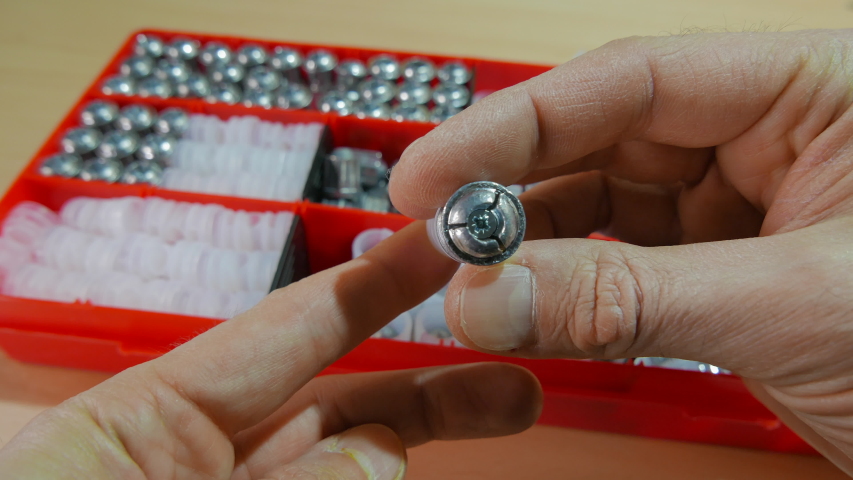
When handling in stock ammunition, always treat every cartridge as live and inspect the brass, primer, and projectile for damage before transport. Store purchased cartridges in their original factory packaging or a dedicated ammo box to prevent rattling, which can cause bullet setback or powder degradation. Grip cartridges by the case body, not the bullet tip, and avoid exposure to extreme heat or moisture before and during 7.62×39 Ammo for Sale transit. For transport, secure the ammunition in a locked, non-metal container placed in the passenger compartment, never the trunk in hot weather. The safest practice is to keep magazines unloaded and cartridges in a foam-lined carrier to prevent primers from striking each other during sudden stops. Upon arrival, unload promptly and store in a cool, dry location, keeping your ammunition handling procedures consistent with transport safety guidelines for every batch of in stock ammunition you move.
Securing Loose Rounds in Magazines and Ammo Cans
When transferring in stock ammunition into magazines, seat each round fully to the rear of the feed lips, preventing rim-lock and ensuring reliable stacking pressure. For bulk loose rounds in ammo cans, 7.62×51 Ammo for Sale use factory trays or insert cardboard dividers to separate layers, eliminating brass-on-brass movement that causes primer dents. Always orient bullets uniformly—nose-down for pistol rounds, nose-up for rifle—to minimize shift during transit. If the can has surplus slack, fill voids with foam blocks or rags, never loose paper that absorbs moisture. Finally, secure the lid latch and tape the rubber gasket seam to lock out humidity. Following this sequence protects primer integrity and feed reliability:
- Inspect each round for deformities
- Layer rounds in grid trays or with dividers
- Compress the stack with inert spacers
- Seal the can’s perimeter
Identifying Damaged Casings in Your Fresh Inventory
When your fresh inventory arrives, begin by inspecting each casing under bright, raking light, since dents, splits, or a flattened primer are the first signs that a round endured rough transit. Roll suspect cartridges on a flat surface—a wobble reveals a bent rim that can cause feed jams. Check the case mouth for burrs or crumpling, which compromise bullet seating and accuracy. Seek out faint stress lines near the web, the thickest part of the head, as these signal hairline fractures invisible to a quick glance. Immediately segregate any casing with a cracked neck or corroded verdigris, because firing compromised brass risks pressure spikes in your chamber. Prioritize a tactile pass: run your thumb along the entire body to feel for dents too subtle for your eyes. Identifying damaged casings in your fresh inventory prevents misfires and protects your firearm before your first trip to the range.
Scan, roll, and feel every casing—a damaged round never belongs in your magazine.
Proper Disposal of Misfires From Your New Batch
When a round from your new batch fails to ignite, treat it as a live hazard, not a dud. Keep the misfire pointed downrange for at least thirty seconds before ejecting it, as delayed ignition in fresh ammunition is a real risk. Place the faulty cartridge in a dedicated, clearly labeled container—never loose in your range bag. At home, submerge 7mm PRC Ammo for Sale the misfired cartridge in a small oil-filled jar to neutralize the primer, then wrap it in a sealed plastic bag. Deliver it to your range’s brass bucket or a licensed collector for proper crushing; never attempt to pry apart the bullet or reuse its components.
